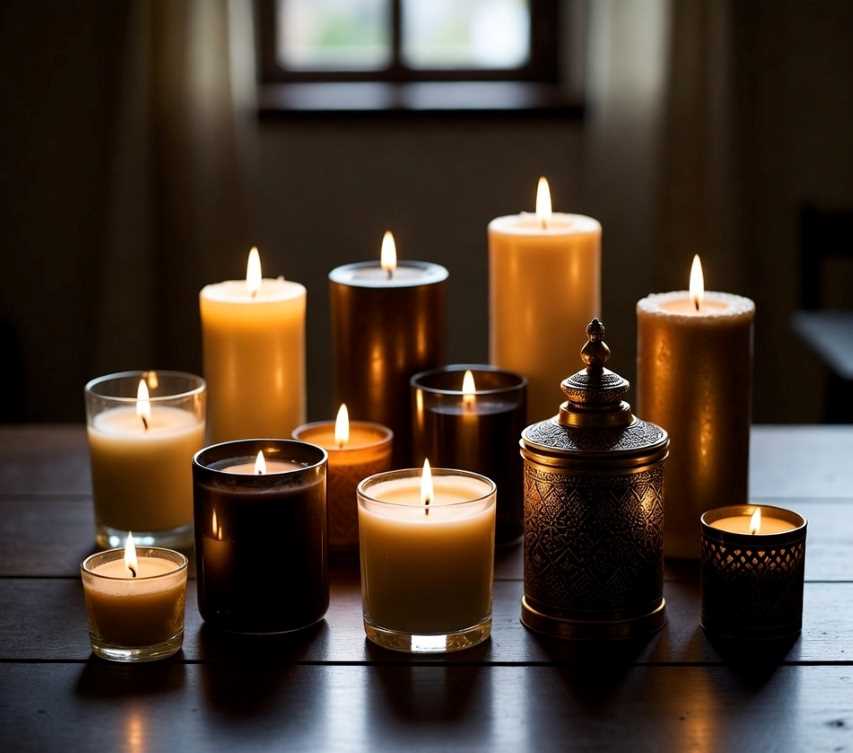
🤔 What Are Scented Candles and How Do They Work?
A Scented Candle is more than just a source of light; it is a sensory experience crafted to transform the atmosphere of a room. It combines the warm, flickering glow of a flame with carefully selected fragrances to engage our sense of smell, creating a multi-layered experience that can soothe, energize, or evoke cherished memories.
At its heart, a scented candle works through a simple, almost alchemical process. When you light the wick, the heat melts the wax around it. This liquid wax is then drawn up the wick, where it is vaporized and burned. As the wax burns, the fragrance oils blended within it are released into the air, gently filling the space with scent. The quality of this experience depends entirely on the candle's three core components: the wax, the wick, and the fragrance.
🕯️ The Foundation: Understanding Wax, Wick, and Vessel
The quality and performance of a scented candle are determined by its fundamental building blocks. Choosing a candle with high-quality components ensures a cleaner, safer, and more enjoyable burn.
Wick
The wick is the engine of the candle, delivering fuel to the flame.
Cotton Wicks: The most common natural option, providing a stable, soot-free flame when properly sized.
Wooden Wicks: Create a pleasant, rustic crackling sound similar to a fireplace, adding an extra sensory dimension. They must be trimmed properly to avoid excessive smoking.
Wick Core: Some wicks have a soft cotton or paper core. It's important to ensure wicks are lead-free, as lead wicks have been banned in many countries due to health concerns.
Vessel (Container)
The vessel is not just for aesthetics; it plays a crucial role in safety and burn quality. It should be made of heat-resistant materials like thick glass, ceramic, or metal. The size and shape must be proportional to the wick to ensure an even melt pool and prevent overheating.
🎼 The Structure of Fragrance: A Symphony of Notes
Just like a fine perfume, a well-crafted scented candle is built in layers, creating a fragrance that evolves over time. This structure is often described as a pyramid with three levels:
Top Notes: These are the light, fleeting scents you notice immediately upon lighting the candle. They create the first impression and typically dissipate within the first 10–15 minutes. Common top notes include fresh citrus (bergamot, lemon), aromatic herbs (eucalyptus, mint), and light fruits.
Heart Notes (or Middle Notes): As the top notes fade, the heart of the fragrance emerges. These notes form the core character of the scent and are often softer, more rounded, and longer-lasting. They are typically floral (jasmine, lavender, rose), spicy (cinnamon, cardamom), or fruity.
Base Notes: These are the deep, rich notes that provide a solid foundation for the entire fragrance. They are the slowest to evaporate and linger in the room long after the candle has been extinguished. Base notes are often woody (sandalwood, cedarwood), warm (vanilla, amber, musk), or smoky.
The perfect combination of these three levels creates a complex and satisfying fragrance experience that feels both thoughtful and complete.
✨ The Benefits of Using Scented Candles at Home
Scented candles offer a wealth of benefits that go far beyond simply making a room smell good.
🌿 Aromatherapy and Mood Enhancement
Fragrance has a direct pathway to the brain's limbic system, which controls emotions and memories. This is why certain scents can have a powerful effect on our state of mind.
Relaxation: Scents like lavender, chamomile, sandalwood, and pine are known for their calming properties, helping to soothe nerves and promote restful sleep, making them perfect for the bedroom or a self-care night.
Energizing and Focus: Invigorating scents like citrus (lemon, grapefruit), peppermint, and eucalyptus can help increase focus, boost energy, and clear the mind, making them ideal for a home office.
Uplifting: Floral scents like jasmine and rose can inspire feelings of happiness and serenity.
🏡 Creates a Harmonious Atmosphere
The combination of a soft, flickering flame and a beautiful scent has an almost magical ability to transform a space. A warm, cozy scent like vanilla and sandalwood can turn a cold room into a welcoming oasis, while a fresh, clean scent like sea salt or white tea can create a spa-like feel in a bathroom.
🎨 Enhances Interior Design
Scented candles are as much a decorative element as they are a functional one. A beautifully designed candle in a minimalist glass vessel, a sleek ceramic pot, or a sculptural container can act as a statement piece on a coffee table, mantelpiece, or shelf, complementing and enhancing your home's aesthetic.
🎁 A Personal Signature Scent
Just as hotels and boutiques have signature scents, you can create one for your home. By consistently burning a particular fragrance—perhaps one with notes of fig, cedarwood, or amber—you establish a subtle but unmistakable sense of homecoming and identity.
🧘 A Ritual for Mindfulness
The simple act of lighting a candle can be a small, meaningful ritual. It can signal the start of a quiet moment with a book, a meditation practice, or a way to unwind after a busy day. This intentional pause promotes calm and presence in our often-hectic lives.
🧭 How to Choose the Right Scented Candle for Your Home
Selecting the perfect scented candle is a personal journey, but a few guidelines can help you find the ideal match for your space and mood.
Adapt the Scent to the Room
Bedroom: Create a calm and relaxing atmosphere with soothing scents like lavender, vanilla, sandalwood, or chamomile to promote peace and sleep.
Living Room: As the social heart of the home, choose warm and inviting scents like woody notes (cedar, sandalwood), musk, fig, or tonka bean.
Kitchen: Fresh and clean scents work best to neutralize cooking odors. Think citrus (lemon, grapefruit), eucalyptus, basil, or mint.
Bathroom: Evoke a luxurious spa-like feeling with scents of eucalyptus, sea salt, white tea, or fresh linen.
Adapt to the Season
Spring: Light, fresh, and floral scents like peony, jasmine, neroli, or citrus.
Summer: Breezy, tropical, and fresh scents like coconut, lime, sea breeze, or sun-warmed fruits.
Autumn: Warm and spicy notes like cinnamon, cardamom, clove, burnt sugar, or pumpkin create a cozy atmosphere.
Winter: Deep, rich, and comforting scents like cedarwood, pine, fir, amber, and warm vanilla make the home feel embracing.
Prioritize Quality Over Quantity
To ensure a pure, long-lasting, and safe scent experience, look for these markers of quality:
Choose Natural Waxes: Opt for candles made from soy, coconut, beeswax, or rapeseed wax for a cleaner, slower burn compared to paraffin.
Look for Natural Fragrances: Seek out candles scented with 100% essential oils instead of synthetic fragrances, which can sometimes smell chemical and may release phthalates.
Check the Wick: Ensure the wick is made from natural materials like cotton or wood and is lead-free.
Brand Transparency: Choose brands that are transparent about their ingredients and manufacturing processes.
🛠️ Candle Care Tips for Maximum Enjoyment
Proper care will extend the life of your candle and ensure it burns safely, cleanly, and evenly every time.
Trim the Wick: Before each burn, trim the wick to about ¼ inch (6mm). This prevents a high, sooty flame, mushrooming, and ensures a clean burn.
The First Burn is Crucial: The first time you light your candle, let it burn for 2-4 hours, or until the wax pool melts evenly all the way to the edges of the container. This creates a "memory burn" and prevents tunneling, where wax is wasted on the sides.
Burn in Sessions: For optimal performance, do not burn your candle for more than 3-4 hours at a time. Burning it for too long can cause the wick to wander or the container to overheat.
Avoid Drafts: Keep your candle away from open windows, fans, or air vents. Drafts can cause the flame to flicker, leading to an uneven burn, soot, and reduced scent throw.
Keep the Wax Pool Clean: Remove any debris like match heads or wick trimmings from the liquid wax pool to ensure a clean burn and prevent interference with the flame.
Extinguish Properly: Instead of blowing out the candle, which can create smoke, use a candle snuffer to gently extinguish the flame. This prevents the wick from drifting and stops hot wax from splattering. You can also dip the wick into the wax pool and then straighten it.
🛡️ A Note on Health and Safety
While the risks are low for occasional use in a well-ventilated home, it's wise to be informed.
Potential Concerns: Burning any candle can release trace amounts of volatile organic compounds (VOCs) and soot. Paraffin wax and synthetic fragrances are more likely to release potentially harmful substances like benzene, toluene, and phthalates, which can irritate respiratory conditions in sensitive individuals.
Minimizing Risks: The best way to enjoy candles safely is to choose high-quality options made from natural waxes (soy, beeswax, coconut) with 100% essential oils and lead-free cotton wicks. Always burn candles in a well-ventilated area and never leave them unattended. Keep them away from children, pets, and flammable objects. Be especially cautious with essential oils like eucalyptus, tea tree, and cinnamon, which can be harmful to pets.
🏁 A Small Luxury, A Big Difference
Scented Candles are a simple yet powerful tool for enhancing our daily lives. They offer a multi-sensory experience that can soothe our minds, beautify our homes, and create cherished rituals. By understanding the elements that make a quality candle—from the wax and wick to the symphony of fragrance notes—you can make informed choices that bring warmth, comfort, and a touch of personal magic to any space.
 |  |  |
 |  |  |