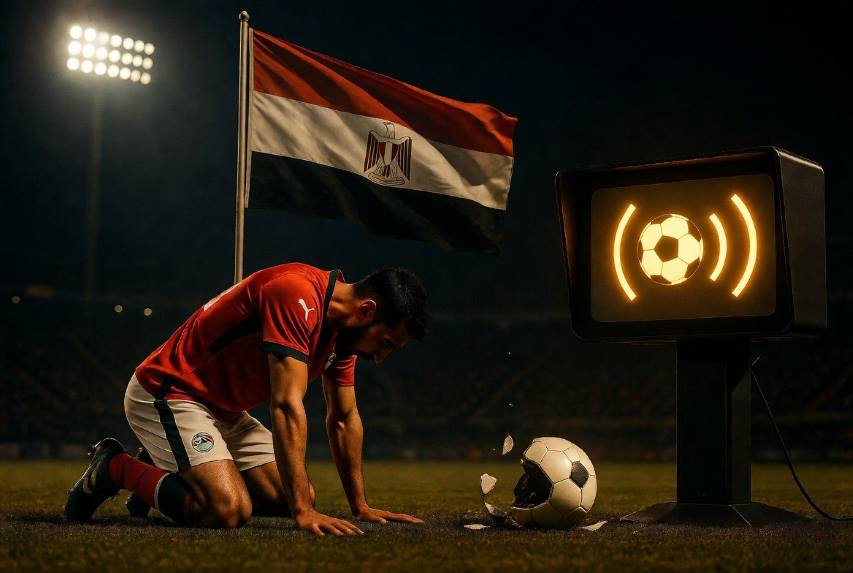
In a night that began with hope and ended in national heartbreak, Egypt’s remarkable journey at the 2026 FIFA World Cup came to a controversial close on July 7 in Atlanta. Leading defending champions Argentina 2-0 deep into the second half, the Pharaohs looked destined for one of the greatest upsets in World Cup history. Instead, they fell 3-2 after a dramatic late comeback by Lionel Messi’s side, sparking furious accusations of refereeing bias, selective use of VAR technology, and favoritism toward big teams and star players.
What unfolded was not just a football match but a lightning rod for debate about the integrity of officiating, the power of technology, and the commercial interests that many believe influence the world’s biggest tournament. The Egyptian Football Association lodged a formal complaint with FIFA demanding an investigation into referee François Letexier and his video officials, citing “serious refereeing mistakes” and “double standards.” Across Egypt and around the globe, the result was immediately branded “the robbery of the century.”
American and European media outlets were particularly scathing in their coverage, with many openly questioning FIFA’s commitments to fair play and accusing the organization of protecting its most commercially valuable assets. This is the full story of a match that will be remembered for its drama, its controversy, and the powerful international backlash it unleashed against FIFA and the match officials.
Egypt’s Historic Run and the Weight of Expectation
Egypt arrived in the knockout stages with genuine belief. Under the leadership of coach Hossam Hassan and captain Mohamed Salah, the team had shown resilience, organization, and moments of real quality throughout the group stage. Reaching the Round of 16 represented a significant achievement and a source of immense national pride.
For a nation that has lived and breathed football for generations, the opportunity to knock out the defending champions carried enormous emotional weight. Streets in Cairo, Alexandria, and cities across Egypt were alive with anticipation. Cafés and public squares filled with fans wearing the red, white, and black of the national team. This was more than a football match — it was a moment of collective hope.
Argentina, despite their pedigree and the presence of Messi, had looked vulnerable in patches of the tournament. Egypt’s disciplined counter-attacking style and solid defensive structure gave them every reason to believe an upset was possible.
The Match: From Dream Start to Devastating Collapse
The game began brightly for Egypt. In the 15th minute, Yasser Ibrahim struck to give the Pharaohs a dream lead. Argentina responded with a penalty for Messi, but goalkeeper Mostafa Shobeir produced a crucial save to preserve the advantage.
Egypt grew in confidence and looked increasingly dangerous on the break. In the 58th minute, they thought they had doubled their lead when Mostafa Zico finished a swift counter-attack. The stadium erupted — only for VAR to intervene. After a lengthy review, the goal was disallowed because midfielder Marwan Attia had earlier stepped on Lisandro Martínez’s foot and appeared to hold his shirt during a transition phase. Although the incident occurred well before the attacking move developed and play had continued for some time, the decision stood. Egypt were furious.
Undeterred, the Pharaohs struck again legitimately in the 67th minute. Zico found the net once more, and Egypt led 2-0. They were now just over 20 minutes away from a historic quarter-final place.
Then came the collapse. In the 79th minute, Cristian Romero pulled one back. Four minutes later, Messi equalized with a clinical strike. In the second minute of stoppage time, Enzo Fernández headed the winner. Argentina had completed a stunning comeback. Egypt’s dream was over in the most painful fashion imaginable.
The Controversial Flashpoints: VAR, Double Standards, and the Misuse of Technology
The post-match anger centered on two major incidents and a perceived pattern of inconsistent officiating.
The Disallowed Goal the VAR decision to chalk off Zico’s first goal became the defining controversy. Critics argued that the foul by Attia was minor, occurred far earlier in the sequence, and that the intervention came too long after the incident. Many questioned why VAR chose to go so far back in this instance when similar or more obvious fouls in other matches had been ignored. The technology, designed to correct clear and obvious errors, was accused of being applied selectively and pedantically.
The Unreviewed Penalty Appeal on Salah Replays appeared to show a clear foul on Mohamed Salah inside the Argentina penalty area in the build-up to one of the late goals. Egypt claimed a penalty should have been awarded or at least thoroughly reviewed. It was not. Combined with several yellow cards issued to Egyptian players and staff (including coach Hassan), many felt the refereeing lacked balance and consistency.
Prominent pundits highlighted the apparent double standard. Former England defender and ITV pundit Gary Neville questioned why VAR was willing to review an incident from minutes earlier to disallow Egypt’s goal but failed to check the potential penalty on Salah before allowing play to continue into Argentina’s winner. He noted the inconsistency in how the technology was deployed.
Irish football legend and pundit Roy Keane was equally critical of the officiating. He stated: “Once is a mistake. Twice, maybe. But when it keeps happening, you have to start asking questions. An Argentina player appeared to slap an Egypt player, and the referee ignored it. There was a foul in the penalty area — at least go and review it. That’s what VAR is there for. If you’re only reviewing incidents for one team, then what’s the point?”
These incidents transformed a sporting contest into a broader debate about the role and implementation of VAR in modern football. When technology is perceived as protecting bigger teams or star players while punishing smaller nations, trust in the system collapses.
Global Media Firestorm: American and European Outlets Turn on FIFA and the Referee
The controversy did not stay confined to Egypt. Major American and European news organizations covered the match and its aftermath with unusually sharp criticism of FIFA and the officiating team, framing the outcome as emblematic of deeper problems within the game’s governance.
BBC Sport led European coverage with a detailed report on Egypt’s formal complaint, noting that the Egyptian FA had demanded referee François Letexier and his team be removed from the tournament. The BBC highlighted the “serious refereeing mistakes” and “double standards” cited in the complaint, giving prominent space to coach Hossam Hassan’s accusations of injustice and external influence.
ESPN and Fox Sports in the United States described the match as a “VAR storm” and focused heavily on the disallowed goal and the unpunished foul on Salah. American outlets repeatedly noted the commercial implications, suggesting that protecting Messi and Argentina’s progress served FIFA’s broadcast and sponsorship interests far more than Egypt’s elimination would have.
The New York Times captured the raw emotion in Egypt, reporting on the shift from triumph to fury in Cairo’s streets and public squares. The paper noted how quickly conspiracy theories gained traction, with many Egyptians and observers worldwide believing the decisions were influenced by the desire to keep the defending champions and their global superstar in the competition.
Sky Sports and The Independent in the UK were particularly blunt. They reported on the Egyptian players’ and coach’s post-match fury and gave extensive airtime to pundits questioning FIFA’s integrity. European coverage frequently returned to the theme that bigger nations and commercially valuable teams appear to receive favorable treatment from officials and video review teams.
Even American political figures weighed in. New York City Mayor Zohran Mamdani publicly stated that Egypt “got robbed,” directly criticizing the officiating decisions in a widely shared comment.
Across both American and European media, the dominant tone was one of skepticism toward FIFA. Outlets questioned whether the organization’s stated commitment to “fair play” and technological neutrality could be trusted when the financial stakes of keeping Messi’s Argentina alive were so high. The referee and VAR officials were widely portrayed as either incompetent or complicit in a system that favors the powerful.
Famous Voices: Outrage, Disbelief, and Powerful Statements
The aftermath produced some of the strongest reactions seen in recent World Cup history. Here are the most prominent voices:
Hossam Hassan (Egypt Head Coach) In an explosive post-match press conference, Hassan did not mince words:
“I do not want to put it nicely and talk about hard luck. We have been cheated unfairly today. We have suffered injustice. We looked better than the reigning champions, better in everything, but the result was influenced by internal factors on the pitch and external factors off it. Perhaps they wanted to keep the world champion in the competition. Perhaps they wanted Messi to stay in the running.”
He added: “Life is unfair. The world is unfair. OK. But why isn’t there any fairness in sports? I’m not convinced by this outcome and by the way things unfolded in this match.” Hassan later confirmed he would not watch any further games in the tournament.
Mostafa Zico (Egypt Striker) Zico was blunt in his assessment:
“The referee is really unfair… clear injustice from the match start… the tournament had been fixed. It was a rigged game. It wasn’t our fault. That referee… it seems like this match was rigged. Congratulations to Argentina for the World Cup. The tournament was rigged, they didn’t need anything else.”
Mohammed Alaa (Egypt Backup Goalkeeper) Alaa echoed the squad’s frustration:
“The refereeing was obvious in front of everyone. We had a goal disallowed, and we had a penalty not called. The penalty turned into a counter-attack goal for Argentina’s third goal. The objections were only toward the refereeing errors.”
Mido (Former Egypt Striker and Prominent Pundit) Mido went further, accusing FIFA of corruption driven by money:
“Today would have been a scandal for FIFA had Egypt knocked out Argentina because FIFA would have lost millions of sponsorship money.”
Bassem Youssef (Renowned Egyptian Comedian and Media Personality) One of the most widely shared reactions came from Bassem Youssef, who expressed disbelief and a shift in perspective:
“Now I believe every conspiracy theory. You guys are making his job easier. The penalty… the same play that you went with the VAR like five minutes happen with the other side or the third goal. Egyptian team, you are amazing. I love you guys. You should be proud. You made us all proud. I don’t care what happens afterward.”
Gary Neville (Former England Defender and Pundit) Neville highlighted the double standard in VAR application and suggested Argentina had been “riding their luck” in recent matches, questioning whether the same scrutiny would have been applied if roles were reversed.
Roy Keane (Former Manchester United and Ireland Captain) Keane questioned the consistency of decisions favoring bigger teams and emphasized that when patterns emerge, serious questions must be asked about officiating integrity.
These voices — from the dressing room to the commentary box to major cultural figures — amplified the sense that something had gone seriously wrong in Atlanta. American and European media repeatedly played clips of these comments, using them to underscore growing distrust in FIFA’s governance.
The Reaction Across Egypt and the World
In Egypt, joy turned to rage within minutes. Social media exploded with the phrase “robbery of the century.” Fans gathered in public spaces expressed a mixture of pride in their team’s performance and deep anger at the decisions. The Egyptian FA’s formal complaint reflected the national mood: they could not remain silent.
Internationally, the controversy dominated headlines and debate. While some defended the VAR call as technically correct under the laws of the game, many others — including neutral observers in the US and Europe — acknowledged the optics were damaging. The perception that commercial interests and star power influence outcomes continues to haunt FIFA and the modern game.
Broader Implications: VAR, Commercial Interests, and the Treatment of “Smaller” Nations
This match has reignited urgent questions about VAR’s implementation. The technology was introduced to eliminate clear errors, yet in this case it disallowed a legitimately worked goal on a marginal, early incident while failing to review a clearer potential penalty the other way. When the application appears inconsistent, it fuels exactly the kind of conspiracy theories that Bassem Youssef referenced.
American and European commentators were united in noting that smaller football nations often feel they are fighting not just the opponent on the pitch but an invisible system that protects established powers. Egypt’s exit has become a symbol of the challenges faced by nations outside the traditional football superpowers when they dare to challenge the established order.
For Argentina and Messi, the win keeps their title defense alive, but it came at the cost of significant goodwill and renewed scrutiny from Western media. For Egypt, the pain is acute, yet the pride in reaching this stage and competing so bravely against the champions remains.
A Team That Made a Nation Proud
Despite the devastating exit, Egypt’s performance deserves celebration. They led the world champions for long periods, created genuine belief, and showed character, organization, and quality. Players like Yasser Ibrahim, Mostafa Zico, Mohamed Salah, and the entire squad gave everything. Coach Hossam Hassan built a team that competed with honor and spirit.
In the days since the match, the dominant message from Egyptian fans and public figures has been one of gratitude mixed with justified anger: “You made us proud. The result does not erase what you achieved on the pitch.”
Football’s Beauty and Its Broken Promises
The 2026 FIFA World Cup was supposed to showcase the best of the game. Instead, one of its most captivating matches has left behind anger, division, and serious questions about fairness and technology. American and European media have been unusually united in their criticism of FIFA and the refereeing, with many outlets openly suggesting that commercial considerations overrode sporting integrity.
Egypt deserved better. Whether they were victims of honest mistakes, poor VAR implementation, or something more systemic remains a matter of intense debate. What is clear is that the manner of their exit has damaged trust and provided powerful ammunition to those who believe the tournament is not always a level playing field.
As the competition continues, the memory of Egypt’s 3-2 defeat to Argentina will linger — not just for the goals or the comeback, but for the controversy that followed and the international media storm it created. In a sport that promises drama, fairness, and dreams, this was a night when technology and officiating conspired to turn hope into heartbreak, and when voices from Cairo to London to New York demanded answers from FIFA.
Egypt’s players and fans can hold their heads high. They played the match of a lifetime against the reigning champions. The result may stand in the record books, but the questions it raised — and the sharp criticism it drew from major American and European outlets — will echo far beyond Atlanta.
 |  |  |